
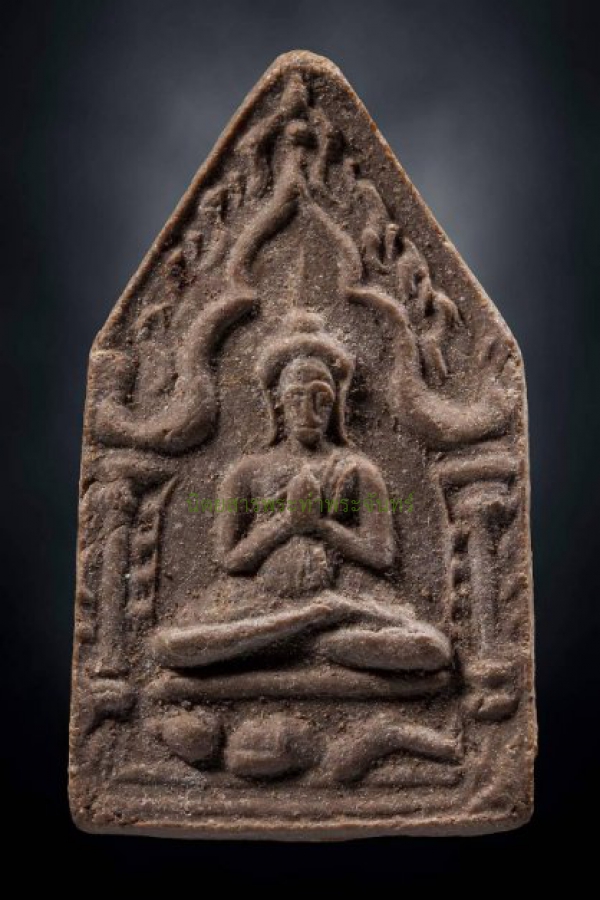
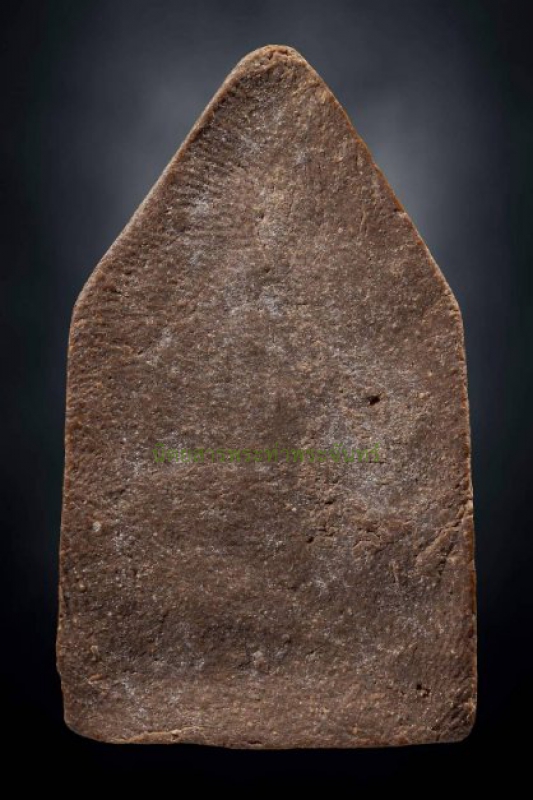
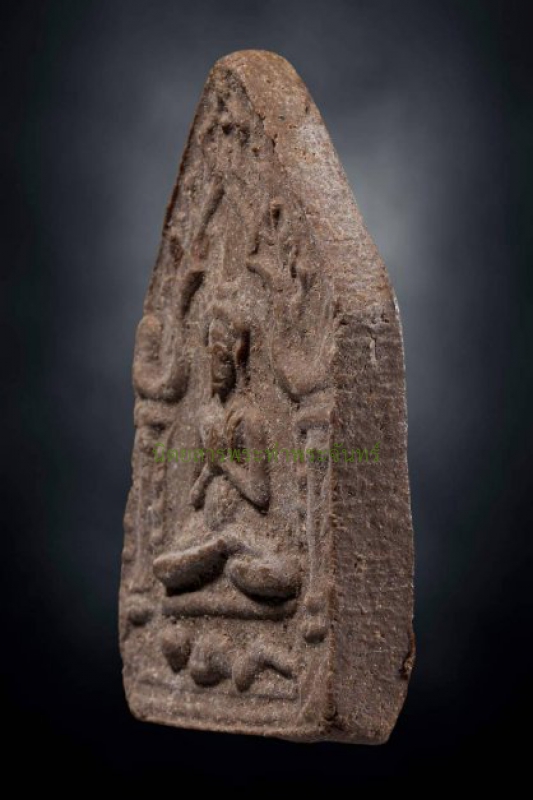
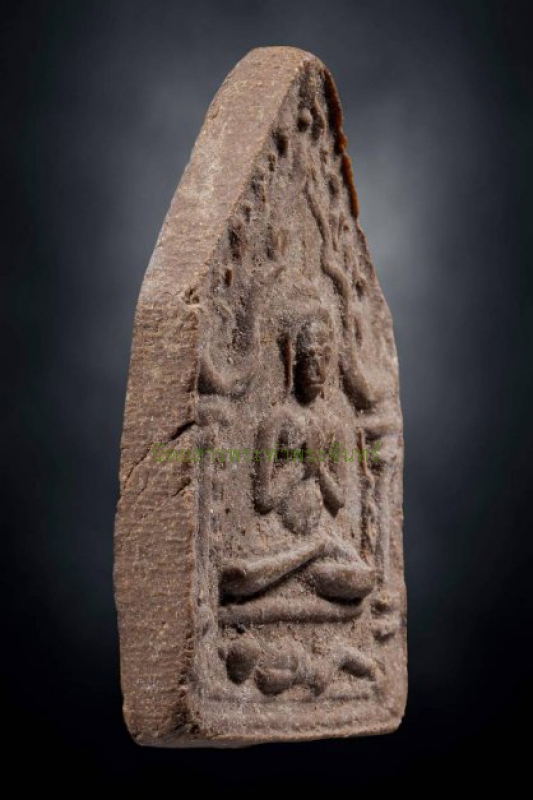
| ชื่อพระ | พระขุนแผนปลุกกุมารพิมพ์หลังเรียบ หลวงพ่อคง วัดวังสรรพรส จังหวัดจันทบุรี ปี2514 เนื้อดินเจ็ดป่าช้า |
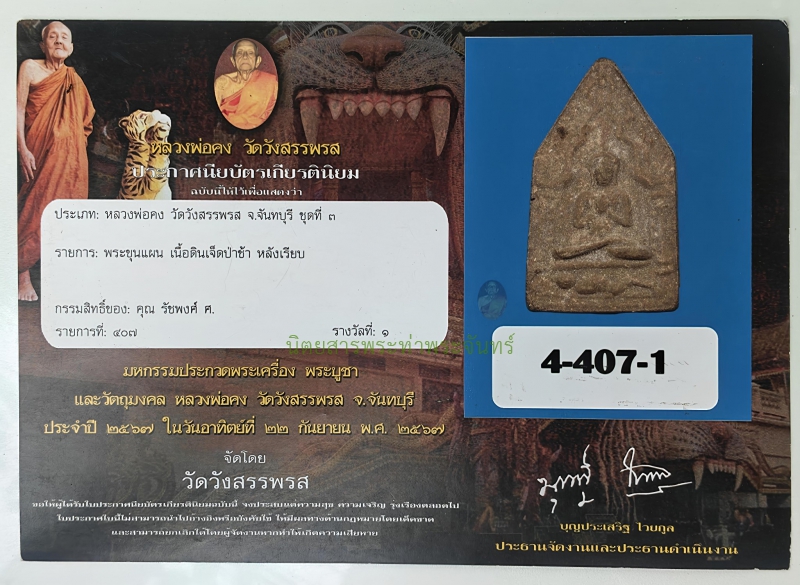
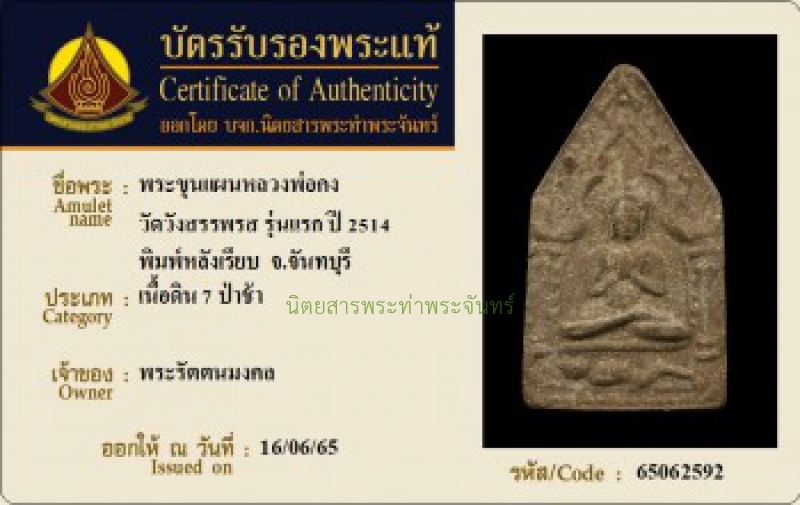
| รายละเอียดพระ | พระขุนแผนปลุกกุมารพิมพ์หลังเรียบ หลวงพ่อคง วัดวังสรรพรส จังหวัดจันทบุรี ปี2514 เนื้อดินเจ็ดป่าช้า สภาพสวย พระกดพิมพ์คมชัดลึกติดหน้าตา เส้นบังคับพิมพ์ติดชัดสวยงาม องค์นี้เนื้อสวยหนึบนุ่มนวลตาผิวพระสะอาดเนื้อแก่น้ำมันตังอิ๊ว สีโซนเข้ม มวลสารลอยขึ้นสวยเข้มขลัง องค์นี้ติดที่ 1 งานวัดวังสรรพรสปี2567 มาพร้อมบัตรนิตยสารท่าพระจันทร์ ต้นกำเนินเนื้อดินเจ็ดป่าช้า นั้นก่อนปี2506 ในค่ำคืนอันเงียบสงัด ณ.วัดวังสรรพรส หลังจากการทำวัตรสวดมนต์แล้ว หลวงพ่อคงเจริญสมาธิกรรมฐาน พระผู้มีญาณทิพย์วาระจิตล่วงรู้การมาเยือนของวิญญาณผู้หญิงท่านหนึ่ง ชื่อว่าแม่จำปี เดิมเป็นข้าราชบริพาลในวังในสมัยรัชกาล แม่จำปีถือศีลบริสุทธิ์ประพฤติพรหมจรรย์ไม่ได้ออกเรือนจนตัวตาย การมาครั้งนี้เพื่ออยากสืบทอดพระพุทธศาสนา จึงมาขอให้ท่านพ่อคงไปนำเอาเถ้ากระดูกมาสร้างพระ เถ้ากระดูกนี้อยู่ที่วัดราชผาติการาม กรุงเทพฯ (นี่คือคำบอกของแม่จำปี) หลวงพ่อคงเองก็ตอบไปว่า วัดนี้อยู่ตั้งกรุงเทพฉันจะไปได้อย่างไร (แม่จำปีบอกกลับมาว่า เมื่อถึงเวลาก็จะมีโอกาสได้ไปแน่) และแล้วเมื่อถึงปี พ.ศ.2506 หลวงพ่อคงได้รับนิมนต์ไปร่วมพิธีปลุกเสกพระเครื่อง ณ.วัดประสาทบุญญาวาส และได้ไปพักจำวัตร ณ.วัดราชผา ซึ่งอยู่ใกล้กับวัดประสาทนั่นเอง การนี้หลวงพ่อคง มิรอช้านำเรื่องแม่จำปี เข้าสนทนากับเจ้าอาวาส วัดราชผาติการาม ซึ่งท่านเจ้าอาวาสในขณะนั้น ก็บอกเหมือนกันว่าได้ฝันเห็นแม่จำปีมาบอกว่าจะมีพระผู้มีอาคมสูง มาเอาเถ้ากระดูกไปสร้างพระ ขอให้จัดการมอบให้ด้วย หลังจากนั้นท่านพ่อคง ก็นำเถ้ากระดูกแม่จำปีกลับมายังวัดวังสรรพรส และเริ่มตระเตรียมหาดินเจ็ดป่าช้าโดยการไปนั่งสมาธิขอ ที่ไหนนายป่าช้าให้ก็เอา ไม่ให้ก็ไม่เอา ดินเจ็ดป่าช้านี้เป็นส่วนประกอบหลักในสูตรผงพุทธคุณ ใช่ว่าใครก็จะสร้างสำเร็จกันง่าย มีทั้งโทษและคุณ ถ้าผู้สร้างไม่ทรงอภิญญาสร้างไม่ได้ ดินใต้ตะแกงเผาศพมีแรงอาถรรพ์เป็นตัวเร่งให้บังเกิดรูปนาม ให้ทรงพลังแรงฤทธิ์ อันเกิดจากแรงคุณพระ คุณเทพ คุณพราย หากผู้ที่ได้ครอบครองมีบุญวาสนาแล้ว ได้ภาวนาขอจะได้สมดังปรารถนาโดยเร็วพลัน มวลสารของพระรุ่นนี้ประกอบด้วยดินเจ็ดป่าช้า ผงกระดูกแม่จำปี ผงพุทธคุณทั้งห้า ว่านยา แร่พลอย ดินเสือหยิบ น้ำมันเสือโคร่ง แร่กากยายักษ์ ชานหมากหลวงพ่อคง เส้นเกศาหลวงพ่อคง เมื่อได้ดินจนครบแล้ว ท่านก็เริ่มตระเตรียมการสร้าง พระชุดนี้ท่านพ่อคงลงมือทำเองอย่างตั้งใจ บริกรรมพระคาถาอัญเชิญคุณพระรัตนตรัย ครูบาอาจารย์ เทพพรหมทั้งหลาย มาช่วยประสิทธิ์ประสาท จนเกิดเสียงฟ้าร้องคำรามลั่นสนั่นหวั่นไหวไปทั่ว หลวงพ่อคงท่านถ่มน้ำลายเสือซึ่งท่านได้สำเร็จวิชาเสือสมิงลงไปเพื่อให้เกิดประสิทธิผลในความเข้มขลัง อันสูงสุด สุดยอดพุทธคุณในชุดพระเนื้อดินเจ็ดป่าช้า หลวงพ่อคง วัดวังสรรพรส 由尖竹汶府(Chanthaburi)Wat Wang Sappharot 寺的龍婆空(Luang Phor Kong)大師於佛歷 2514 年(公元 1971 年)督造的坤平佛牌(Phra Khun Phaen,屬“召請古曼童”法相,背面平滑)。此牌採用「七處墓地之土」(Din Chet Pa Cha)為主要材質,品相極佳;佛牌壓模深邃清晰,臉部輪廓分明,模具邊緣線條銳利。其質地緻密細膩,表面潔淨並浸潤著桐油,呈現出深沉的色調,且可見顯著而強力的聖料顆粒。該佛牌曾在佛歷 2567 年(西元 2024 年)Wat Wang Sappharot 寺舉辦的佛牌大賽中榮獲第一名,並附有 Tha Phra Chan 雜誌頒發的真品鑑定證書。所使用的「七處墓地之土」源自佛歷 2506 年(公元 1963 年)之前,採集於 Wat Wang Sappharot 寺晚課誦經儀式結束後的一個靜謐夜晚。龍婆孔(Luang Phor Khong)在禪修期間,憑藉其天眼通的能力,感應到一位名叫「湄佔皮」(Mae Jampi)的女性靈體降臨。這位女性生前曾於某位前任君主的朝廷中擔任宮女,她持守清淨戒律,終身保持貞潔未婚;如今,她希望能延續佛教信仰,特來請求龍婆孔將其安放於曼谷拉查帕提卡蘭寺(Wat Ratchaphatikaram)的骨灰取回,並以此製作一尊佛像。龍婆空回答:「那座寺廟遠在曼谷,我怎麼可能去得了呢?」(此前,媚佔皮曾告訴他,時機一到,機緣自然會出現。)到了1963年,龍婆空受邀前往瓦帕薩本亞瓦寺(Wat Prasat Bunyawat)參加佛牌加持法會。在此期間,他下榻於附近的瓦拉查帕寺(Wat Ratchapha)。龍婆空隨即與瓦拉查帕提卡拉姆寺(Wat Ratchaphatikaram)的住持談及了媚佔皮之事;住持透露,自己也曾夢見過媚佔皮,並得知將有一位法力高深的僧人造訪。「請將這些骨灰帶回,用於製作神聖的佛牌;務必確保將其妥善送達。」隨後,坦波孔(Than Phor Kong)將湄佔皮(Mae Jampi)的骨灰帶回旺薩帕洛寺(Wat Wang Sappharot),並著手採集來自七處墓地的泥土——這是一項需要通過禪定許可,唯有應許的泥土,唯有許可,唯有應許。這取自七處墓地的泥土,是製作「佛陀功德」(Phuttha-khun)聖粉配方中的關鍵成分。製作這類佛牌絕非易事,因為這些材料既蘊含潛在的危害,也擁有巨大的力量;只有具備高深靈性造詣(即擁有“神通”或 Abhinya)的修行者,方能成功將其製成。取自火化台下方的泥土蘊含著一種強勁而神秘的能量,能加速形體與靈性的顯化,從而賦予佛牌強大的法力。此款佛牌蘊含著佛陀、諸天神祇及靈性力量的加持。若佩戴者福德具足,誠心祈願,便可望迅速心想事成。此版本佛牌的聖料構成極為殊勝,包括:七處墓地的泥土、Mae Jampi 的骨灰、「五種聖粉」(Phong Phuttha-khun)、草藥、寶石、「虎攫土」(Din Suea Yip)、虎油、Kak Ya Yak 礦物,以及龍婆空(Luang Phor Kong)過大的頭髮光渣)。在收集所有聖料後,製作工序隨即展開;龍婆空大師傾注了極大的心血,親自督造了這批佛牌。龍婆空(Luang Phor Kong)誦經祈請三寶、師承先賢以及諸天神梵降臨加持,直至陣陣轟鳴的雷聲響徹四方。隨後,他吐出蘊含其「虎靈法術」精髓的虎唾,以此增強佛牌的法力與靈驗度,從而賦予了這套來自瓦旺桑帕羅斯寺(Wat Wangsanphraros)的七尊「墳土佛牌」極致的佛法神力。 Phra Khun Phaen (Kuman-invoking type with a smooth back) by Luang Phor Kong, Wat Wang Sappharot, Chanthaburi Province (Year 2514 B.E.). Crafted from "Soil from Seven Cemeteries" (Din Chet Pa Cha) and in beautiful condition, the amulet features a sharp, deep impression with clearly defined facial features and distinct mold-boundary lines. The texture is rich, dense, and smooth to the eye, with a clean surface saturated in Tung oil; it displays a dark color tone and prominent, potent sacred inclusions. This specific piece won 1st place at the Wat Wang Sappharot competition in 2567 B.E. and comes with a certificate of authenticity from Tha Phra Chan Magazine. The origin of the "Soil from Seven Cemeteries" material dates back to before 2506 B.E., stemming from a quiet, serene night at Wat Wang Sappharot following the evening chanting ritual. While Luang Phor Khong was practicing meditation, he—possessing the faculty of clairvoyance—perceived the arrival of the spirit of a woman named Mae Jampi. She had formerly served as a lady-in-waiting at the royal court during the reign of a past monarch; having observed pure precepts and lived a chaste, unmarried life until her passing, she now sought to perpetuate the Buddhist faith. She came to ask Luang Phor Khong to retrieve her cremated remains—located at Wat Ratchaphatikaram in Bangkok—and use them to create a Buddha image. Luang Phor Kong replied, "That temple is all the way in Bangkok; how could I possibly go there?" (Mae Jampi had told him that when the time was right, the opportunity would surely arise.) Then, in 1963, Luang Phor Kong was invited to participate in a consecration ceremony for amulets at Wat Prasat Bunyawat. He stayed at Wat Ratchapha—located near Wat Prasat—during this visit. Without delay, Luang Phor Kong discussed the matter of Mae Jampi with the abbot of Wat Ratchaphatikaram; the abbot revealed that he, too, had dreamt of Mae Jampi, who had told him that a monk possessing great spiritual power would be arriving. "Take the ashes to create sacred amulets; please see to it that they are handed over." Subsequently, Than Phor Kong brought Mae Jampi’s ashes back to Wat Wang Sappharot and began the process of gathering soil from seven cemeteries—a task he undertook by meditating and asking for permission; he would accept the soil only if the cemetery guardian granted it. This soil from seven cemeteries is a key ingredient in the formula for *Phuttha-khun* (sacred Buddha-power) powder. Creating such amulets is no simple feat, as the material carries both potential harm and immense power; only a creator possessing advanced spiritual attainments (*Abhinya*) could successfully craft them. The soil from beneath the cremation grate holds a potent, mystical energy that accelerates the manifestation of form and spirit, imbuing the amulets with formidable power. This amulet derives its power from the grace of the Buddha, celestial beings, and spiritual entities. Those who possess it and are blessed with sufficient merit may offer prayers to see their wishes swiftly fulfilled. The sacred composition of this edition includes soil from seven cemeteries, bone powder from Mae Jampi, the "Five Sacred Powders" (Phong Phuttha-khun), medicinal herbs, gemstones, "Tiger-Snatch" soil (*Din Suea Yip*), tiger oil, *Kak Ya Yak* mineral, Luang Phor Kong’s chewed betel quid, and strands of Luang Phor Kong’s hair. Once all the materials were gathered, the creation process began; Luang Phor Kong personally crafted this set of amulets with great dedication. Luang Phor Kong chanted incantations to invoke the Triple Gem, his teachers, and all the deities and Brahma to bestow their blessings, until a loud, rumbling thunder sound echoed throughout the area. He then spat out tiger saliva, a substance he had mastered through his tiger-spirit magic, to enhance the power and efficacy of the amulet, making it the ultimate Buddhist power of this set of seven graveyard clay amulets from Wat Wangsanphraros. |
| หมวดหมู่ | พระเนื้อผง / ดิน / ว่าน |
| ร้านพระ | กอล์ฟ รัชพงศ์ |
| เบอร์โทรศัพท์ | 0824649987 |
| เมื่อวันที่ | 2026-09-12 |
| ยอดเข้าชม | 16 ครั้ง |
| สถานะ | โทรถาม |

กรุณารอสักครู่ ระบบกำลังอัพโหลดข้อมูล
อาจจะต้องใช้เวลาในการอัพโหลด ขึ้นอยู่กับความเร็วของสัญญารอินเตอร์เน็ต